

Why Centennial Soil Conditions Matter
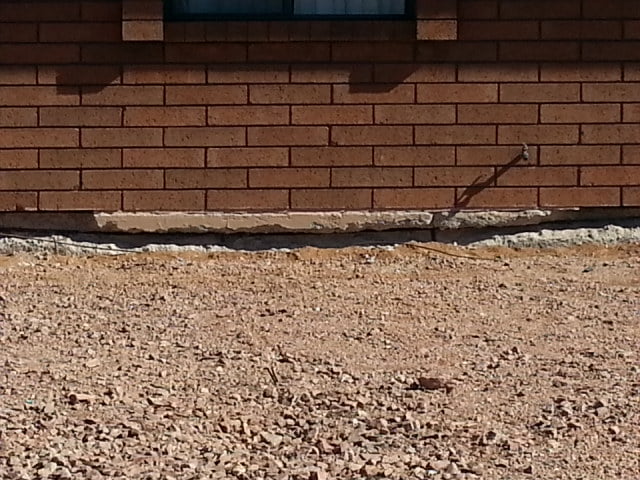
Centennial’s soils can be tricky for foundations. Many neighborhoods sit on clay-rich soils that expand when wet and shrink during dry periods. Combined with fill from residential developments, this creates uneven soil movement beneath homes.
Over time, this can lead to foundation settlement, cracks, and structural stress if left unaddressed.
Common Soil Types Found in Centennial
Some of the soils you’ll find around Centennial include:
- Expansive clay prone to swelling and shrinking
- Sandy layers with inconsistent load-bearing capacity
- Fill soils from past development grading
- Mixed soil layers with variable stability
Because soil profiles differ even block-to-block, local expertise is essential for effective foundation solutions.
How Centennial Soils Affect Your Home
Uneven soil movement can cause differential settlement, where one section of the foundation shifts more than another. This often shows up as:
- Interior or exterior wall cracks
- Doors and windows sticking
- Uneven or sloping floors
- Gaps around trim or ceilings
- Masonry or stucco separation
These are early warning signs that soil movement is affecting the structure, not just cosmetic wear.
Why Local Soil Knowledge is Crucial for Foundation Repair
Foundation repair solutions must be engineered for Centennial’s unique soils. Contractors who understand local soil behavior can design repairs that account for moisture-sensitive clay, fill soils, and seasonal soil movement.
Engineered pier systems, like helical and push piers, transfer structural loads to deeper, stable soils. This stabilizes foundations and prevents future movement caused by active surface soils.
Signs Your Centennial Home May Need Evaluation
Homeowners should watch for cracking, sticking doors, or uneven floors after heavy rain, snowmelt, or drought. Early assessment allows professionals to evaluate soil conditions and prevent more extensive structural damage.
Solutions Designed for Centennial Soil Challenges
Straight Line Construction installs engineered Ram Jack pier systems designed for Colorado soils. Each solution is tailored to the structure, soil profile, and site conditions, ensuring long-term stability.