

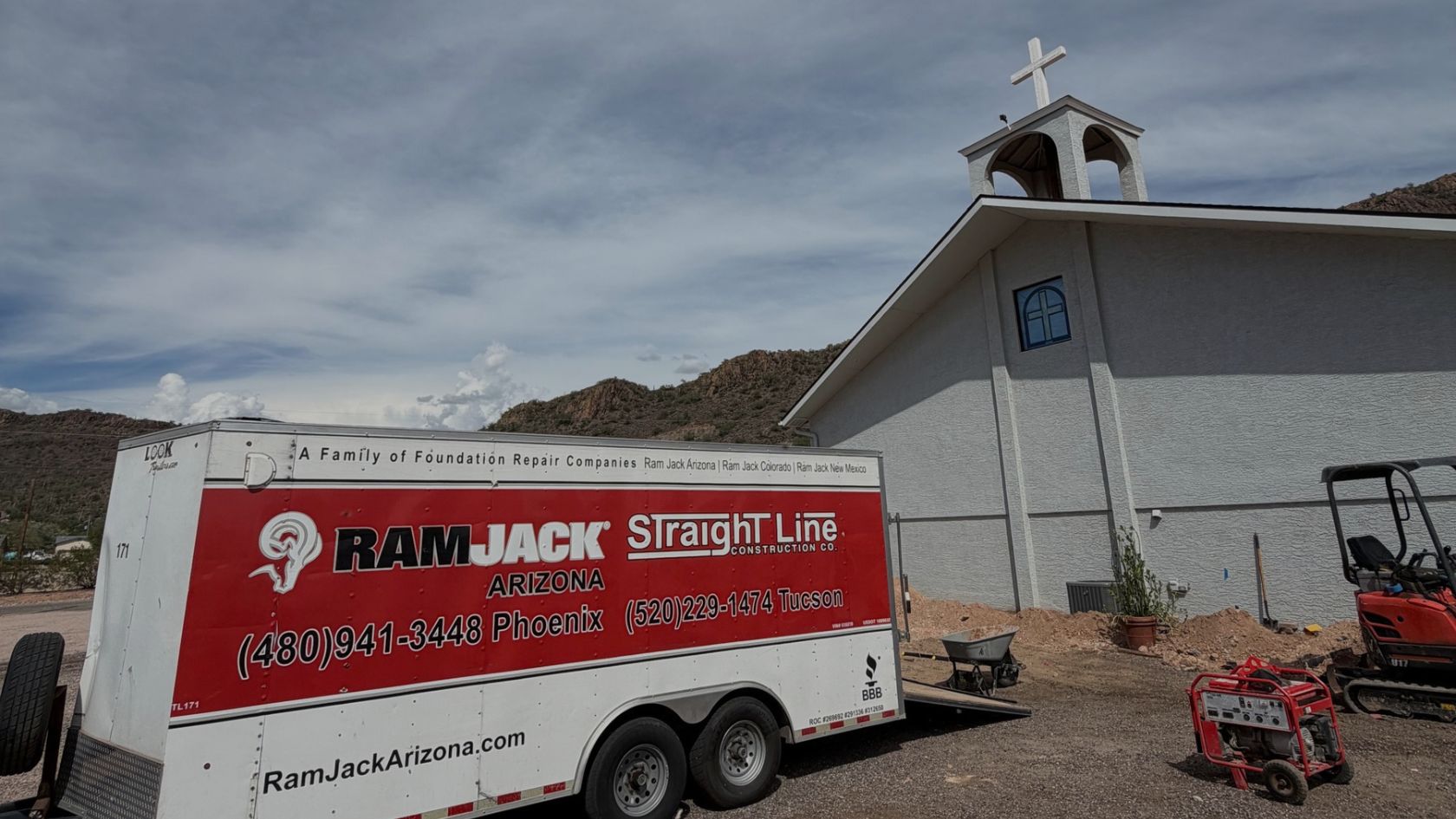
Helical Pier Foundation Repair in New River, AZ
A basement leak compromised the foundation at Crossroads Christian Fellowship Church in New River, Arizona. The church called Ram Jack Arizona to stabilize the structure and restore lost elevation. This case study details the failure, the engineered repair, and the measured results.
Project Snapshot
- Location: New River, Arizona
- Cause: Basement flooding that led to corner settlement
- Measured settlement: 1.5 inches below the rest of the building
- Solution: Seven Ram Jack 2-7/8" helical piers with 4-inch guide sleeves
- Pier depth: 15 feet
- Final installation torque: 7,200 ft-lb
- Installation time: Three days
What Caused the Foundation Settlement
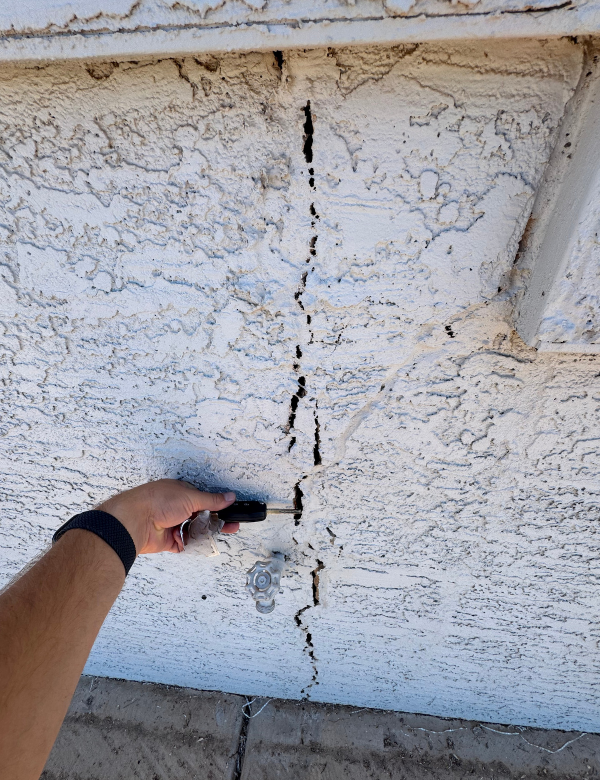
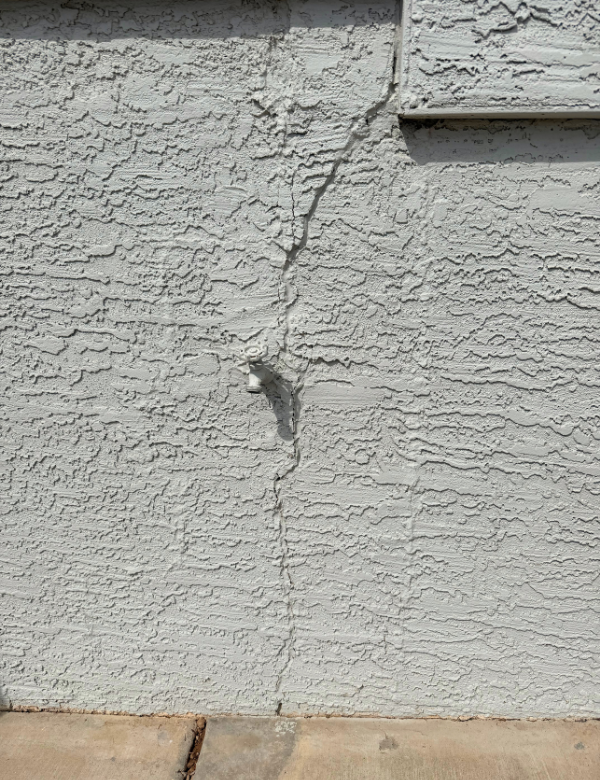
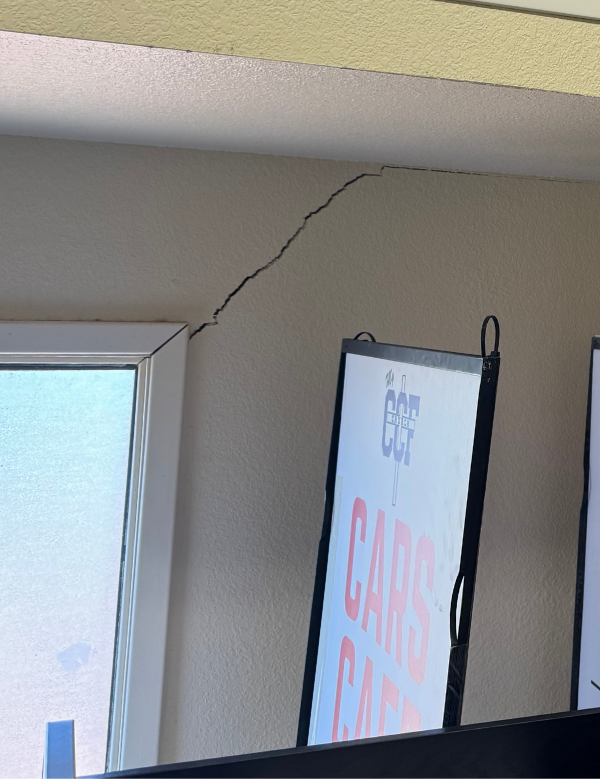
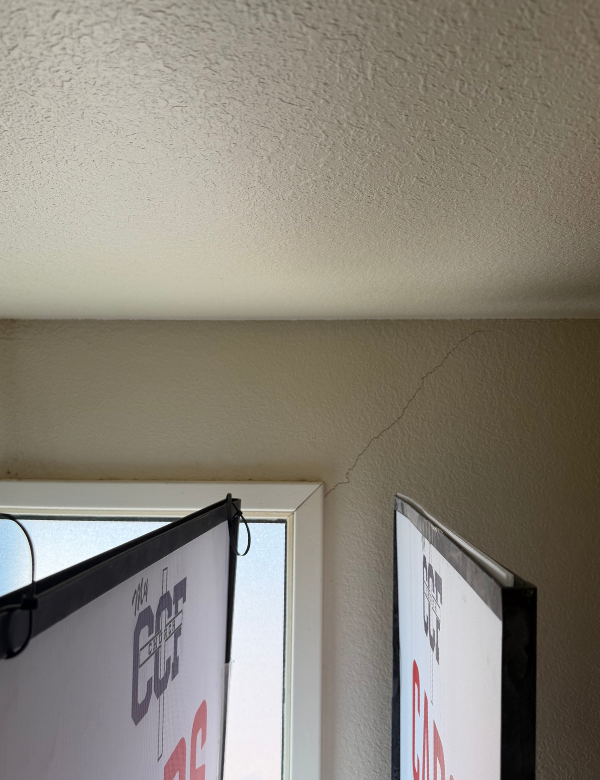
A water leak flooded the church basement to a depth of two inches. Saturated soil can lose bearing strength, and that corner began to settle. Our pre-repair readings showed it sitting 1.5 inches lower than the rest of the building. Differential settlement of that magnitude stresses every connected structural element. As a result, cracking spread along the entire side of the church, inside and out. Cracks lined the walls in the affected corner, and doors no longer closed. These symptoms confirmed ongoing structural movement rather than cosmetic wear. Learn more about the common signs of foundation damage.
Why Ram Jack Helical Piers Fit This Project
Ram Jack helical piers are built for consistent, repeatable performance. Ram Jack manufactures them in Ada, Oklahoma, at an ISO-certified facility using American-made steel. The scope called for seven 2-7/8" diameter shafts with powder-coated finishes and new construction brackets. The powder coating adds corrosion resistance below grade. Furthermore, helical piers install with a mini-excavator, which limits vibration and site disturbance. That matters for a church campus with limited access. It also lets crews work close to the existing structure.
Engineering Design and Installation Torque
Each helical steel pile carries a 20 kip allowable service load. Installation torque verifies that capacity in the field. The required torque must deliver the design bearing capacity with a safety factor of 2.5. However, it cannot exceed the allowable torsional capacity of the pile shafts. Our crew advanced all seven piers to 15 feet using 4-inch guide sleeves. Final installation torque reached 7,200 ft-lb. That torque confirmed the piers achieved the required bearing capacity. Engineers can review our quality control and quality assurance program and engineering standards.
Working Around Tight Access and Site Constraints
Site access added complexity to the installation. Several AC units sat near the work area, so our crew planned equipment placement carefully. One pier sat down a few stairs at a back entrance, where spacing was limited. Another pier sat at the top of those same stairs. Despite these constraints, our crew completed all seven installations in three days.
Results: How the Helical Piers Restored Support and Elevation
The helical piers worked by transferring the building load below the weakened soil. Each shaft passed through the affected zone and bore on competent soil at 15 feet. Brackets at the pier tops then carried the foundation load into the shafts. Once the piers took that load, our crew lifted the corner toward its original elevation. As a result, the cracks visibly closed, and the doors operated normally again. Because the piers bear on deeper soil, they resist further settlement from surface moisture changes. The church recognized the outcome with a five-star review. Likewise, Ram Jack Arizona applies this engineered approach
When Colorado’s critical infrastructure demands dependable foundation support, call Straight Line Construction. Our experienced team delivers professional, engineered solutions built to meet the demands of complex commercial projects.