

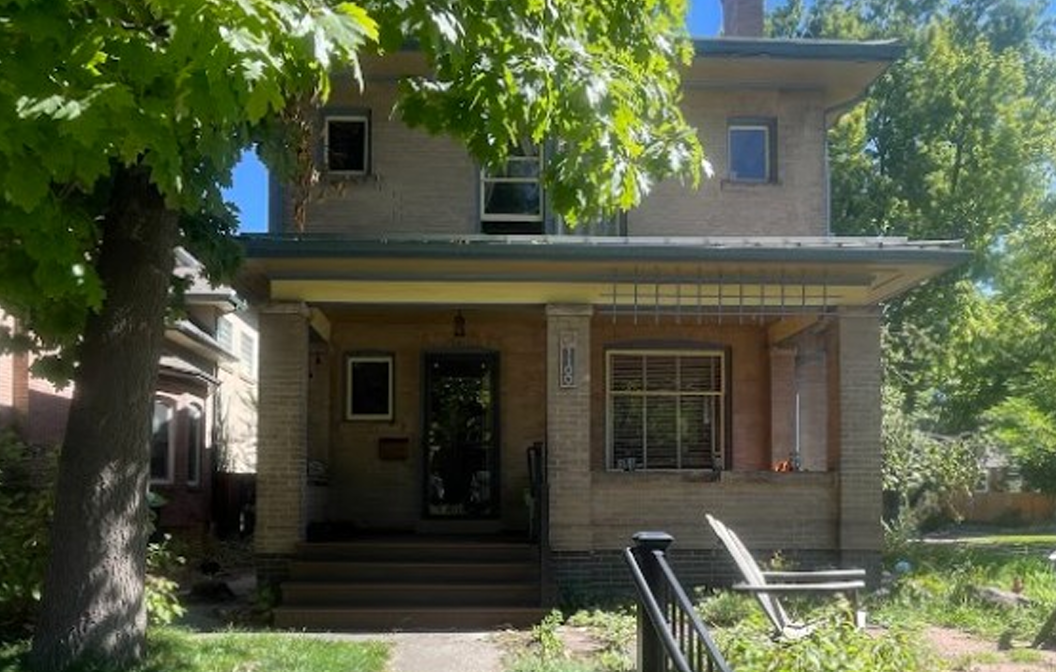
Denver Helical Piers: Stabilizing a Historic 1908 Brick Foundation
A historic 1908 home in Denver, Colorado, began showing severe signs of structural distress, including widespread interior plaster cracks and sloping floors. A comprehensive floor level survey revealed a 2-inch elevation differential from the front of the home to the back. This significant settlement indicated that the original clay-fired stacked brick foundation was failing and required an engineered residential foundation repair Denver solution.
To permanently stabilize the structure, Ram Jack Colorado collaborated with the project engineer to design and execute a comprehensive full underpinning plan utilizing 30 engineered helical piers.
Project Overview & Key Facts
Before beginning construction, our team established clear structural and logistical benchmarks to ensure a successful, non-destructive intervention.
- Project Type: Historic Residential Foundation Repair / Brick Foundation Underpinning
- Primary Objective: Stabilize a settling 1908 clay-fired stacked brick foundation and mitigate future movement.
- Location: Denver, Colorado
- Products Used: 30 Ram Jack Helical Piers, 3-foot 6×6 angle iron bracket extensions, guide sleeves, and heavy-duty repair brackets.
- Average Installation Depth: 18 feet (Maximum depth reached: 20 feet)
- Key Challenges: Zero-lot-line access (4-foot north setback), busy corner lot, public sidewalk clearance mandates, and an integrated brick front porch.
The Challenge: Navigating Tight Urban Setbacks
This historic Denver home required a delicate residential underpinning approach that could support the fragile, aging brick foundation without causing cosmetic or structural collapse.
Logistics presented a significant hurdle. The home sat on a highly visible corner lot where city sidewalk clearance had to remain fully open to the public. Furthermore, a massive, integrated brick front porch and a tight 4-foot setback on the north side completely eliminated the possibility of using standard, heavy excavation machinery around the entire perimeter.
The Solution: Strategic Access & Precision Installation
To safely install the Denver helical piers without disrupting the neighborhood or damaging the home, Ram Jack Colorado deployed a hybrid installation strategy utilizing both interior and exterior access points.
Multi-Method Pier Installation
The 30 helical piers were strategically split and installed using specialized, low-impact equipment:
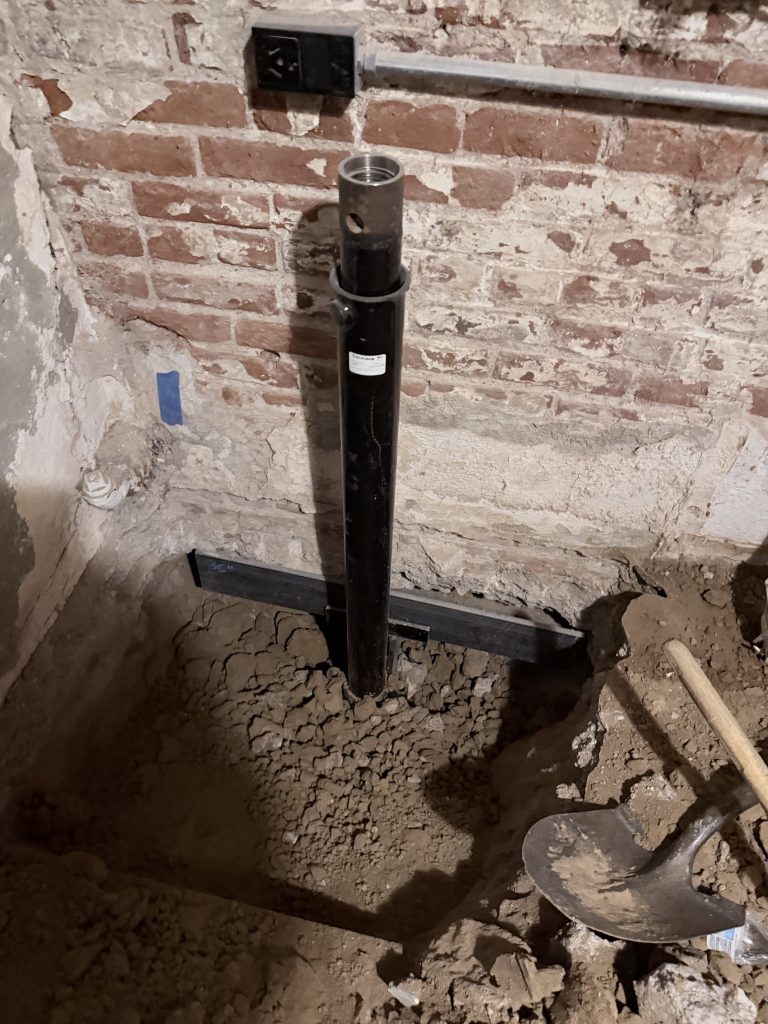
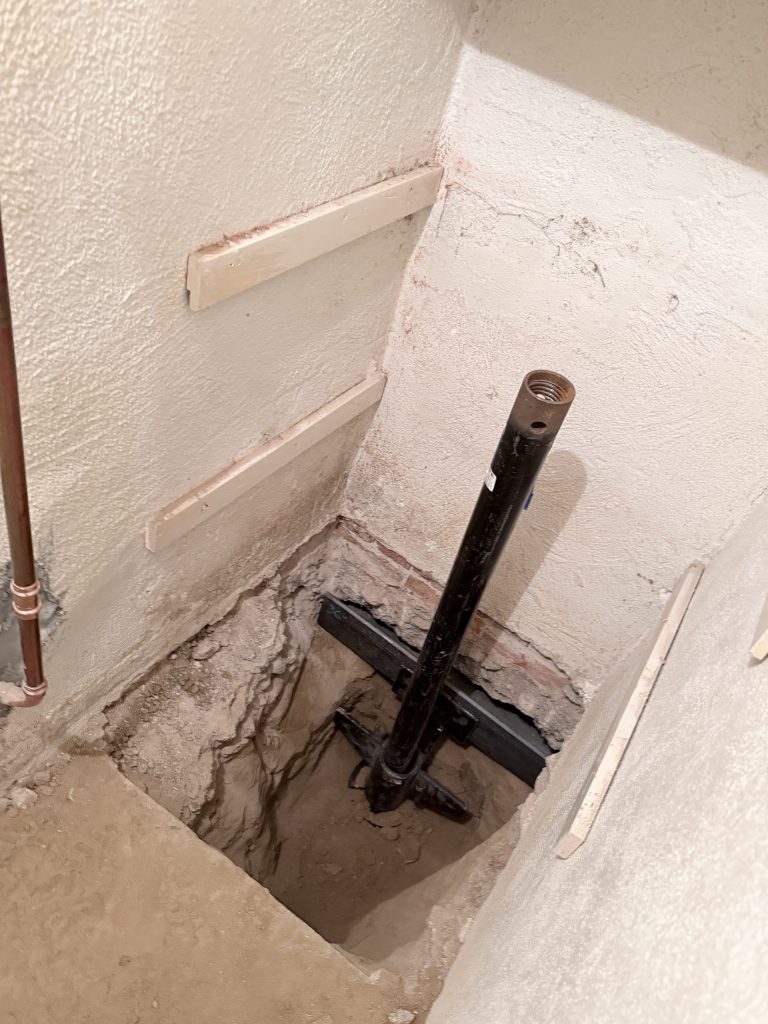
- North Perimeter (Interior): Because of the strict 4-foot property line setback, 12 interior piers were installed from inside the basement using a man-portable hydraulic torque head.
- South Perimeter (Exterior): The south side offered the only open access on the property, allowing the deployment of a specialized hydraulic torque head mounted on a Mini-Excavator to install 9 exterior piers.
- Remaining Perimeter (Exterior): 9 additional exterior piers were driven using man-portable equipment to protect the integrated brick porch and surrounding landscaping.
Engineered Support Hardware
Each pier location utilized 3-foot sections of 6×6 angle iron at the bracket to safely cradle the clay-fired brick foundation. Advanced threaded connections allowed our team to install the guide sleeves without cutting or de-rating the piers, preserving 100% of the manufacturer’s load-bearing performance.
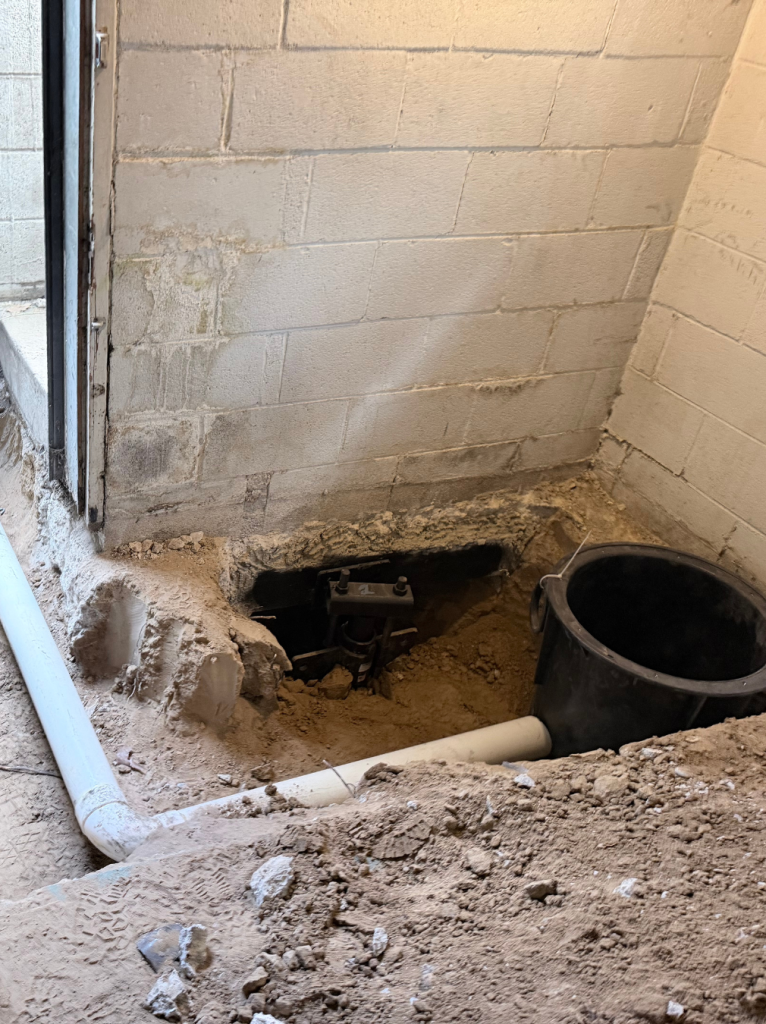
Additionally, a new interior sump pump was installed near the basement access door to improve localized drainage and protect the newly stabilized foundation from hydrostatic pressure.
The Result: Permanent Structural Stabilization
The completed helical pier underpinning system successfully transferred the home’s load away from the failing clay soil and onto deep, competent load-bearing strata.
By utilizing engineered foundation repair, Ram Jack Colorado provided the homeowner with a long-term settlement repair Colorado solution. The historic 1908 structure is now fully stabilized against future movement, preserving its architectural heritage for decades to come.
Frequently Asked Questions
The home experienced significant soil settlement beneath its original 1908 clay-fired stacked brick foundation. This movement resulted in a 2-inch floor slope and extensive interior plaster cracking.
Helical piers provide deep structural support by reaching stable load-bearing soil, completely bypassing the failing shallow soil. They can be installed with minimal vibration, which protects fragile, historic brick masonry from cracking during construction.
Tight setbacks and urban lot restrictions require specialized equipment. By using man-portable hydraulic torque heads alongside mini-excavators, crews can install piers from both the interior and exterior of a home without damaging nearby property lines or public sidewalks.
If your Colorado home is exhibiting signs of foundation settlement, drywall cracks, or sloping floors, the experts at Straight Line Construction can help. Contact us today to schedule an engineered foundation evaluation.