

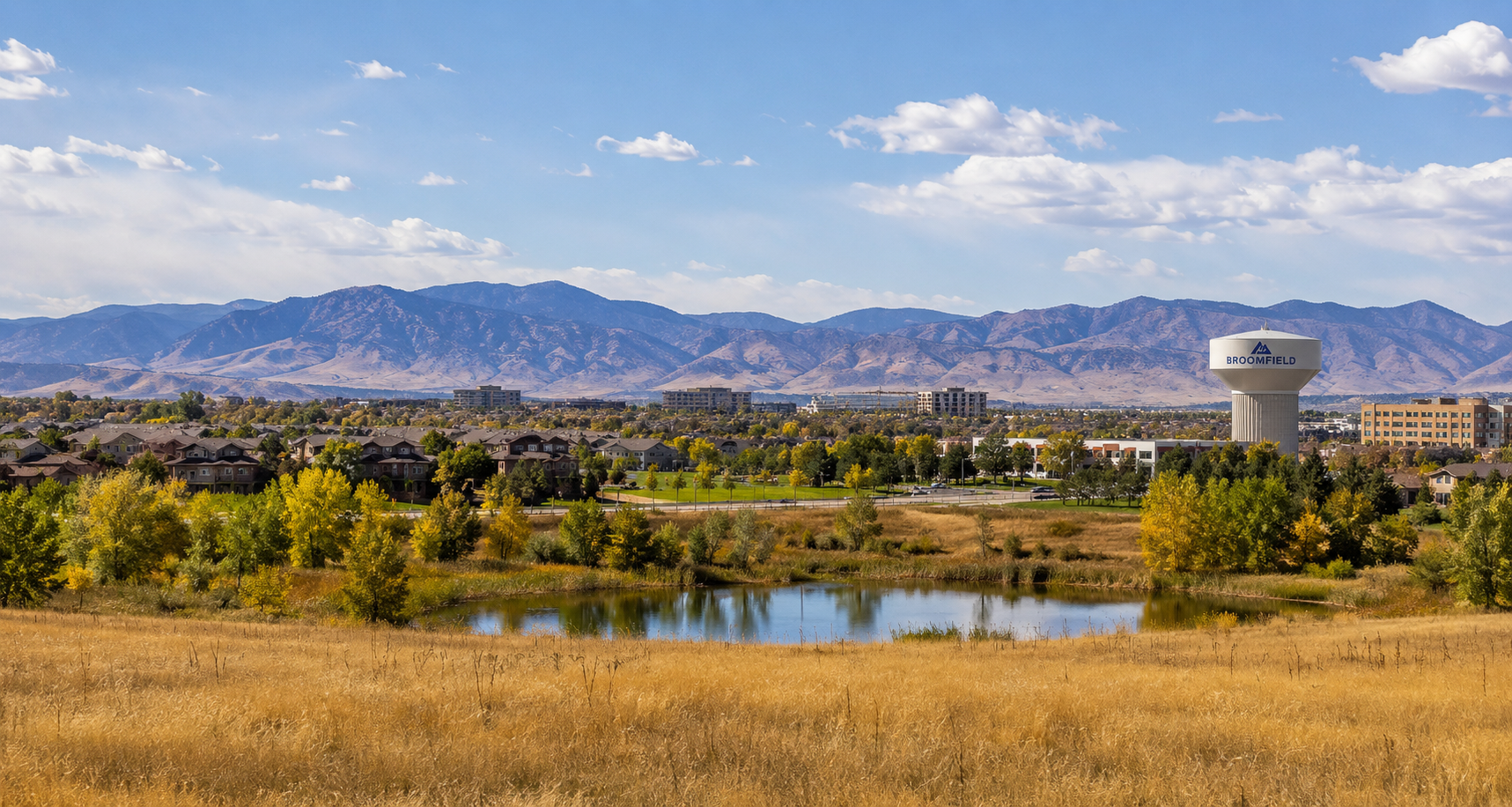
Soil conditions play a critical role in foundation performance, especially along the Front Range. In areas like Broomfield, changing moisture levels and varied soil composition can cause the ground to shift, expand, or compress over time. Understanding Broomfield soils helps homeowners recognize potential risks early and protect their property from structural damage.
Common Soil Types Found in Broomfield
Much like other regions across Colorado, Broomfield has diverse soil profiles that can vary dramatically from one neighborhood to the next. The most common types include:
Expansive Clay
This soil type absorbs water and swells, then shrinks during dry periods. That constant movement can place repeated stress on foundations.
Sandy Soils
Sandy soil drains quickly but may shift or compact under structural loads, which can lead to settlement.
Silty Soil
Silt holds moisture longer than sand but is less stable than clay. It can soften when saturated and lose load bearing capacity.
Disturbed or Fill Soil
Construction sometimes takes place on soil that has been moved or regraded. If this soil was not compacted properly during development, it may settle unevenly over time.
Why Soil Movement Happens in Broomfield
Several local environmental conditions contribute to soil movement:
- Seasonal precipitation changes
- Lawn irrigation near foundations
- Snowmelt saturation
- Dry summer periods
- Freeze thaw cycles
Because expansive soils react strongly to moisture fluctuations, these environmental patterns can gradually shift the ground beneath a structure.
Warning Signs of Soil Related Foundation Issues
When soil moves, your home often shows visible clues. Some of the most common indicators include:
- Cracks forming in drywall or ceilings
- Doors and windows sticking or misaligning
- Uneven or sloping floors
- Exterior cracks in brick, stucco, or siding
- Gaps around trim or frames
These signs typically develop slowly, which is why they are often dismissed until structural damage becomes more severe.
Long Term Effects of Shifting Soil
Foundations rely on stable support from the soil below. When soil shifts, compresses, or expands unevenly, it can cause:
- Differential settlement
- Structural strain
- Slab displacement
- Load imbalance
Left unaddressed, these conditions can worsen and increase repair complexity.
Best Solutions for Broomfield Soil Conditions
Surface level fixes rarely solve soil related structural movement. Instead, long term solutions usually involve systems designed to bypass unstable surface soils and transfer the load of a structure to deeper, more stable strata.
Properly engineered deep foundation solutions can:
- Stabilize settling structures
- Restore alignment
- Prevent future movement
- Improve overall structural reliability
The most effective repair strategy always depends on the exact soil composition beneath the property.
Why Local Soil Knowledge Matters
Soil behavior varies widely by region. Contractors familiar with Broomfield soils understand local ground conditions, seasonal moisture patterns, and the types of movement most common in the area. That insight allows them to recommend solutions tailored specifically to your site rather than relying on generic repair methods.
Protect Your Property Before Soil Damage Progresses
Soil movement tends to worsen over time, not improve. Addressing early warning signs can prevent larger structural issues and reduce long term repair costs.
If you suspect your home may be affected by shifting or expansive soil, a professional evaluation can identify the cause and determine the best path toward long lasting stability.